THE REAL TRUTH ABOUT KETO SOURDOUGH

The Keto Baking Mechanic™ — The Science
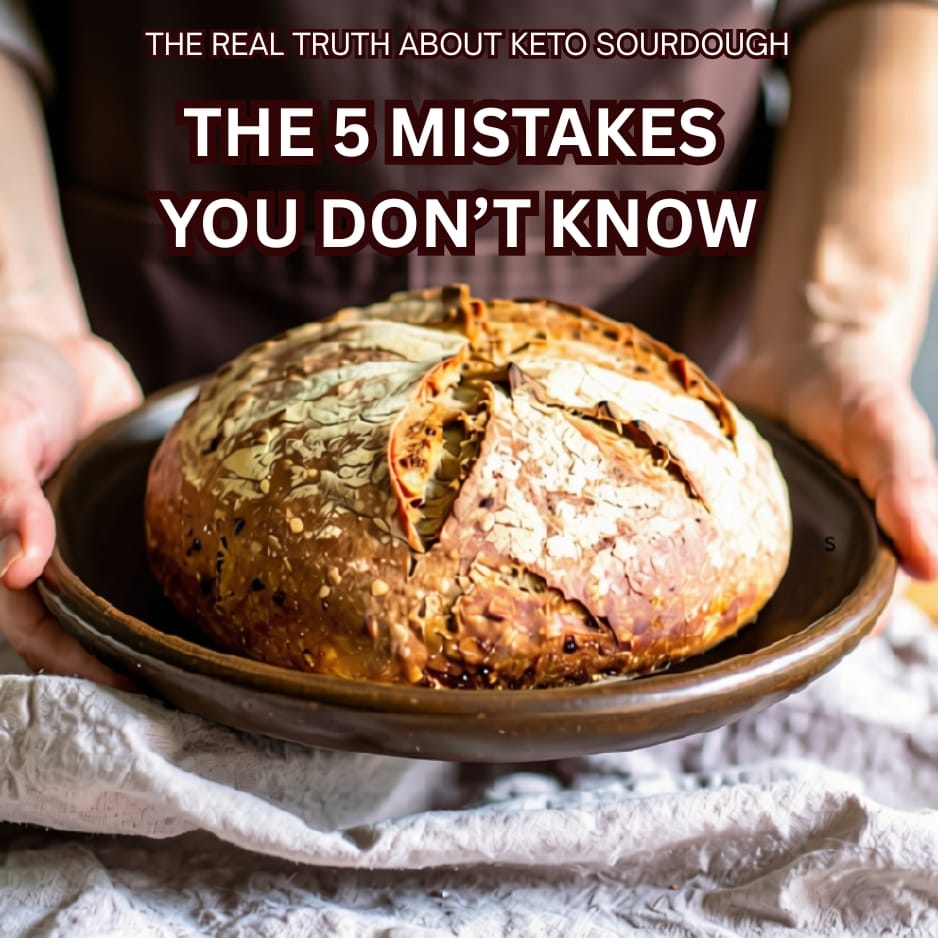
The Real Truth About Keto Sourdough: 5 Mistakes You Don’t Know
Where We Create, Tweak and Enhance
Keto and Low Carb Breads and Baked Goods
🍞 What If Your Keto Sourdough Isn’t Sourdough At All?
What if the keto sourdough you’ve been looking for — or craving — isn’t keto sourdough at all? Today I’ll show you the 5 faux doughs almost every keto baker runs into, whether that’s a recipe online or the ingredient list on the packaging of a grocery store keto sourdough loaf.
By the end of this post, you’ll be able to spot a faux dough in seconds. There are 5 things standing between you and the potential health benefits real sourdough may deliver — the ones scientists have identified in their studies. I’ll show you how to access those potential benefits at the end.
🎥 Watch the full video on The Keto Baking Mechanic™ YouTube channel: @theketobakingmechanic
Before We Start
A Quick Note, With Respect
A quick note before we dive in: this isn’t about any specific bakers, vloggers, or brands — it’s about the science. My goal is simply to give you the knowledge you need to choose real, fermented sourdough for your own health, with your eyes wide open. The “faux dough” breads out there are usually keto, and they’re probably delicious. But if they’re not fermented with a true living culture, they can’t deliver the real benefits that come from that process — and you deserve to know the difference.
Mistake #1
All Crust, No Substance FAUX DOUGH
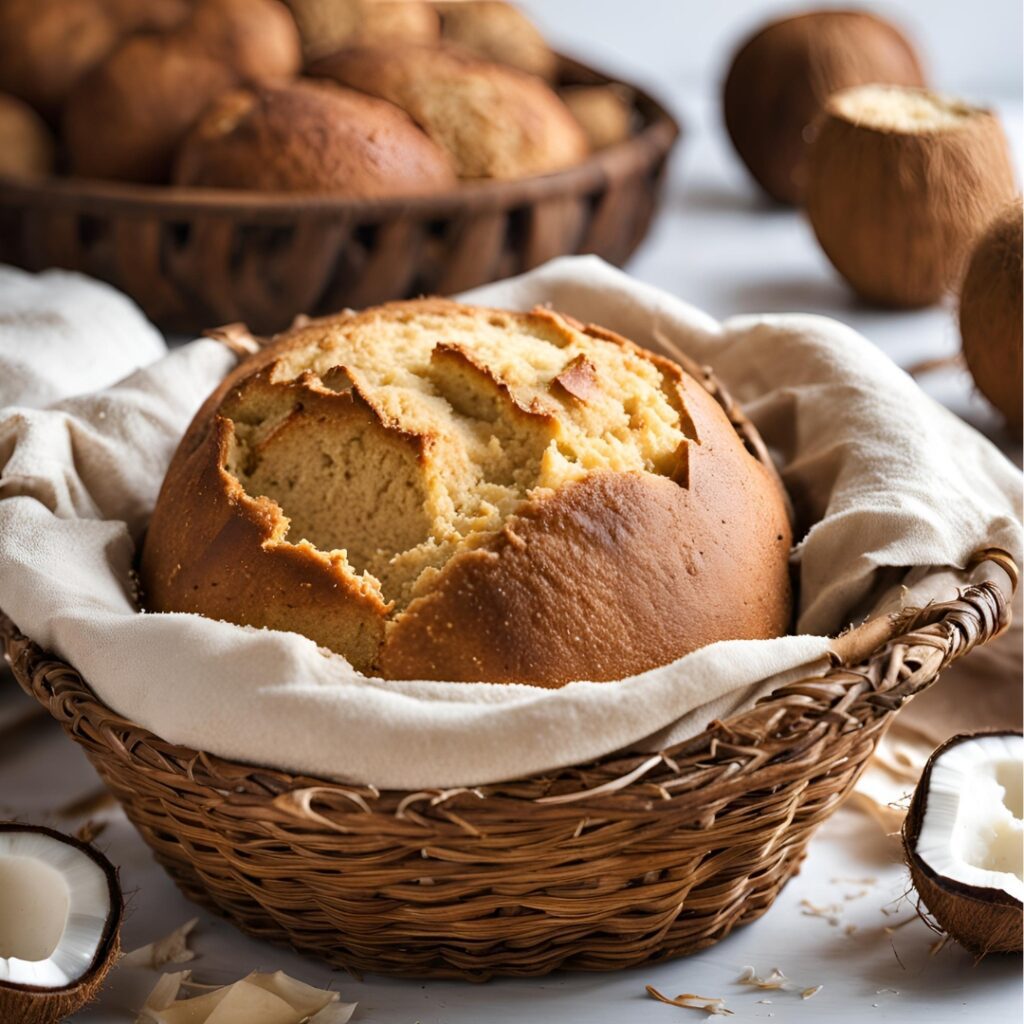
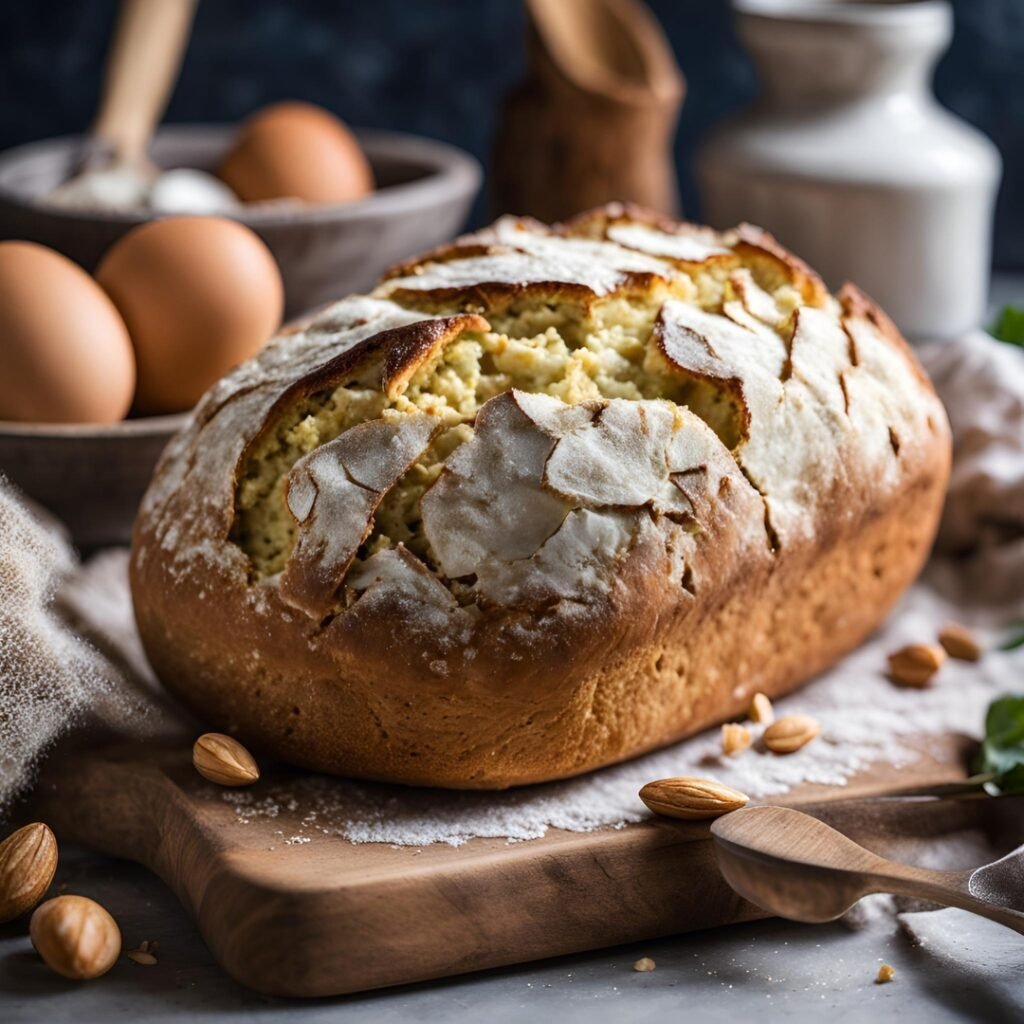
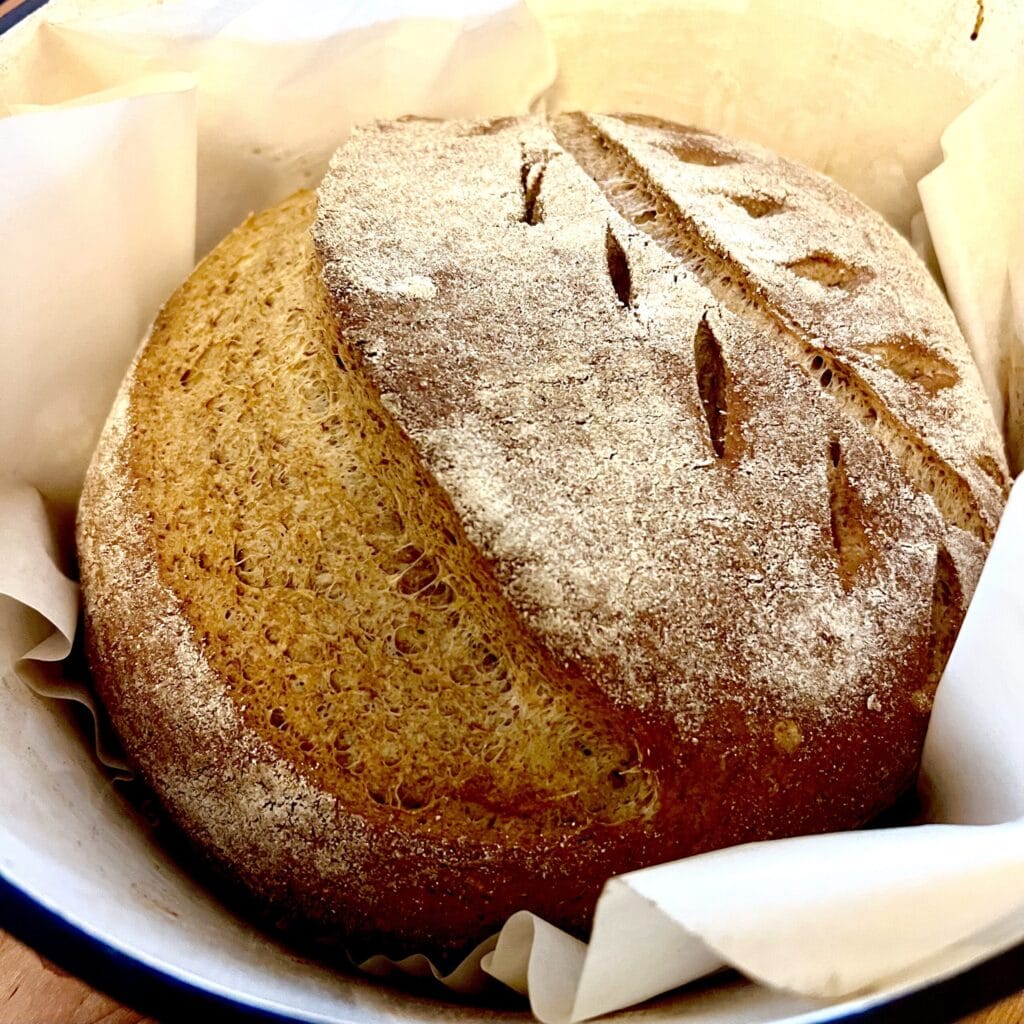
These are keto breads that look like sourdough because they’re baked in a Dutch oven, shaped into a round or oval loaf the way traditional sourdough is, or scored on top so the dough expands during baking and looks the part.
These keto breads can look exactly like sourdough in videos and photos. But sourdough was never about what’s on the outside. It’s about what’s alive on the inside. A costume is still a costume.
Mistake #2
Flavour Fakery FAUX DOUGH
Some bakers add a tangy ingredient to their dough — apple cider vinegar, lemon juice, buttermilk powder, yogurt, or sour cream. The ingredient gives the keto bread a tangy taste, and then it gets called keto sourdough. But it isn’t.
It’s keto bread with a tangy taste. It may be keto. It’s probably tasty. But it isn’t real sourdough. This one is an easy mistake to spot in recipes. The next one is trickier, because the process actually mimics sourdough fermentation.
Mistake #3
The Fermentation FAUX DOUGH
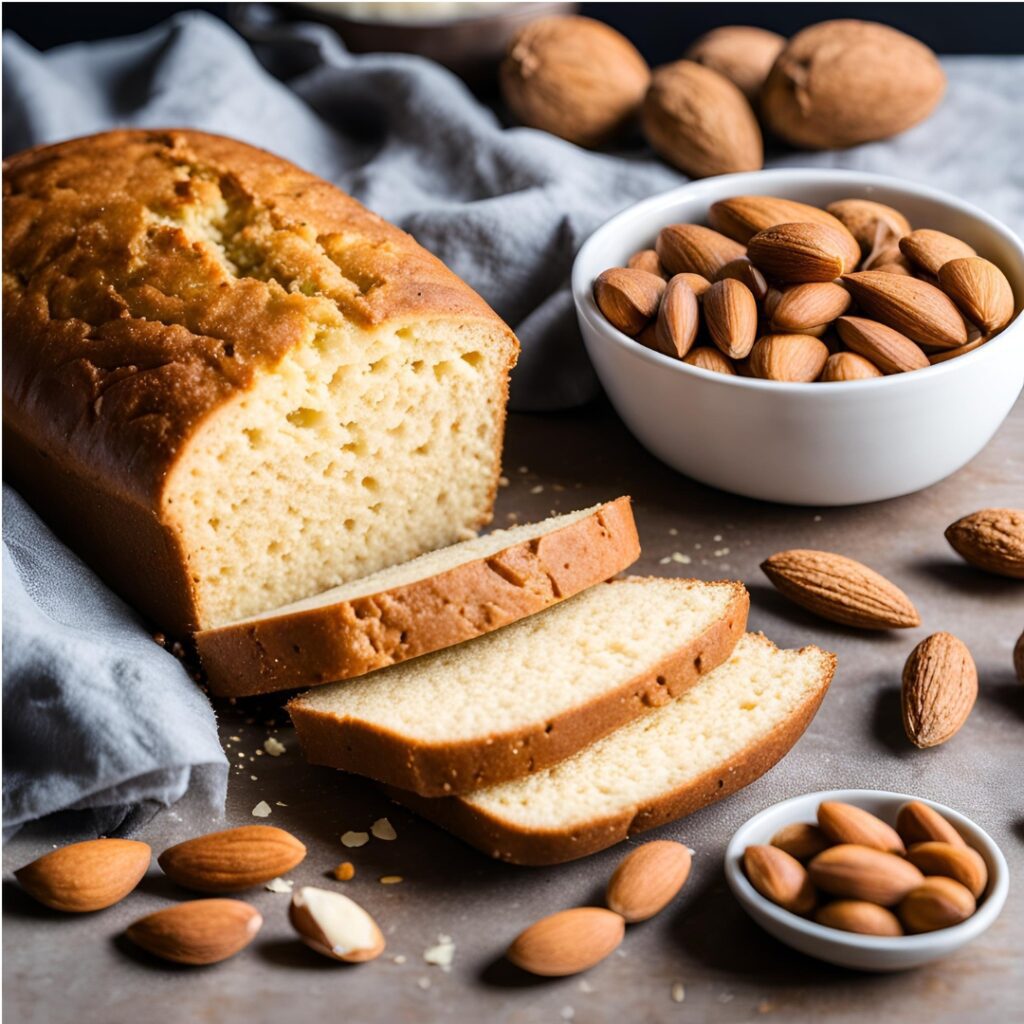
Some keto bakers build a “sourdough starter” with almond flour in a jar, feeding it a tablespoon of more almond flour and water every day. Yes, this starter may develop gas pockets, even smell pleasantly fermented. But fermentation alone doesn’t make something sourdough.
Where Real Sourdough Cultures Actually Come From
That’s because fermenting almond flour isn’t built on a foundation of lactobacillus cultures and wild yeasts working in harmony — the exact partnership real sourdough depends on. That process relies on almond flour picking up lacto cultures and wild yeasts from the air — but it can’t. Real sourdough microbes don’t come from the air. They live on the surface of wheat and rye grains themselves — grains that have been growing in soil, alongside decaying plant matter, for thousands of years. That’s where this specific partnership between wild yeast and lactic acid bacteria actually developed. When wheat is milled into flour, that surface population comes along with it, and those microbes feed on starch, which wheat flour has plenty of.
Why Almonds Can’t Do What Wheat Does
Almonds don’t have any of that. Almonds aren’t a grain — they’re a tree nut. They never developed that surface microbiome the way wheat and rye did, and almond flour doesn’t carry the starch those cultures need to feed on. So there’s nothing for it to catch from the air, and those cultures and wild yeasts simply don’t live on the surface of almonds to begin with. Some bakers compensate by adding instant yeast to make the almond flour starter grow quickly and overflow the jar, to look like a traditional wheat-based starter. But fermented almond flour with instant yeast doesn’t make it sourdough — that’s low-carb flour undergoing instant yeast activity: single-strain leavening, without the wild yeast and lactic acid bacteria partnership that defines real sourdough fermentation.
Mistake #4
The Lab Coat Lie FAUX DOUGH
This one isn’t a lack of sourdough education, and it isn’t someone being naive or making an honest mistake. These are keto sourdough doughs with a very specific added ingredient meant to taste like real sourdough — something more sophisticated than apple cider vinegar or yogurt.
Real sourdough turns tangy because living lactic acid bacteria (LAB) naturally produce lactic acid during fermentation, and that’s what gives real sourdough its tangy taste. Some commercial manufacturers — and even some keto recipes you’ll see online — add liquid lactic acid directly to the dough and call the bread keto sourdough.
Same Molecule, Different Process
The molecule’s the same. The process isn’t. Fermentation creates lactic acid. Adding liquid lactic acid to the dough doesn’t create fermentation. It’s the fermentation itself that matters, not just the molecule it happens to produce.
Mistake #5
The Sauerkraut Shortcut FAUX DOUGH
Some bakers add sauerkraut juice to keto bread dough because it contains lactic acid bacteria — microbes from the same broad family found in sourdough cultures. But having lactic acid bacteria doesn’t automatically make something sourdough, for the same reason we just covered in Mistake #4.
The Hidden Sodium Cost
Sauerkraut juice comes from fermenting cabbage with salt — its own unique ecosystem, entirely different from sourdough’s cultures and wild yeasts working together with keto flours and a specific kind of water. Sauerkraut juice can make bread taste more sour. It doesn’t make it sourdough. And it comes with a hidden cost: sauerkraut juice is naturally very high in sodium, and concentrated amounts can significantly raise the sodium content of the final loaf. We want to keep our sodium in check on a flexible keto or low-carb lifestyle.
The Common Thread
What All Five Have in Common
Five mistakes, five different reasons — but they all trace back to one missing thing: authentic sourdough fermentation. None of them were fermented with a true living sourdough culture, doing what only a true living culture can do.
An authentic keto sourdough begins with a colony of cultures and wild yeasts, trained to thrive through a keto feeding protocol, with the right low-carb flours and a specific kind of water. When you feed a real keto sourdough starter daily and use it to bake, those organisms slowly transform the dough: they create gas so the bread rises, they produce acids that give sourdough its signature tang, aroma, and texture, and they add the fifth taste sensation called umami — roundness and depth of flavour. That same living process is what may give keto sourdough its potential health benefits.
That’s the whole story: a living community of cultures and wild yeasts working together over time. Not a flavouring. Not a shortcut. Not an added liquid or juice. Not a fancy crust. It’s a genuinely living process.
The Science
A Partnership, Not a Solo Act
A 2018 study published in LWT — Food Science and Technology found that wild yeast and lactic acid bacteria actually stimulate each other’s growth during fermentation, each one producing what the other needs to thrive. That’s just one of a growing body of studies confirming the same thing: real sourdough isn’t one organism doing the work. It’s a partnership.
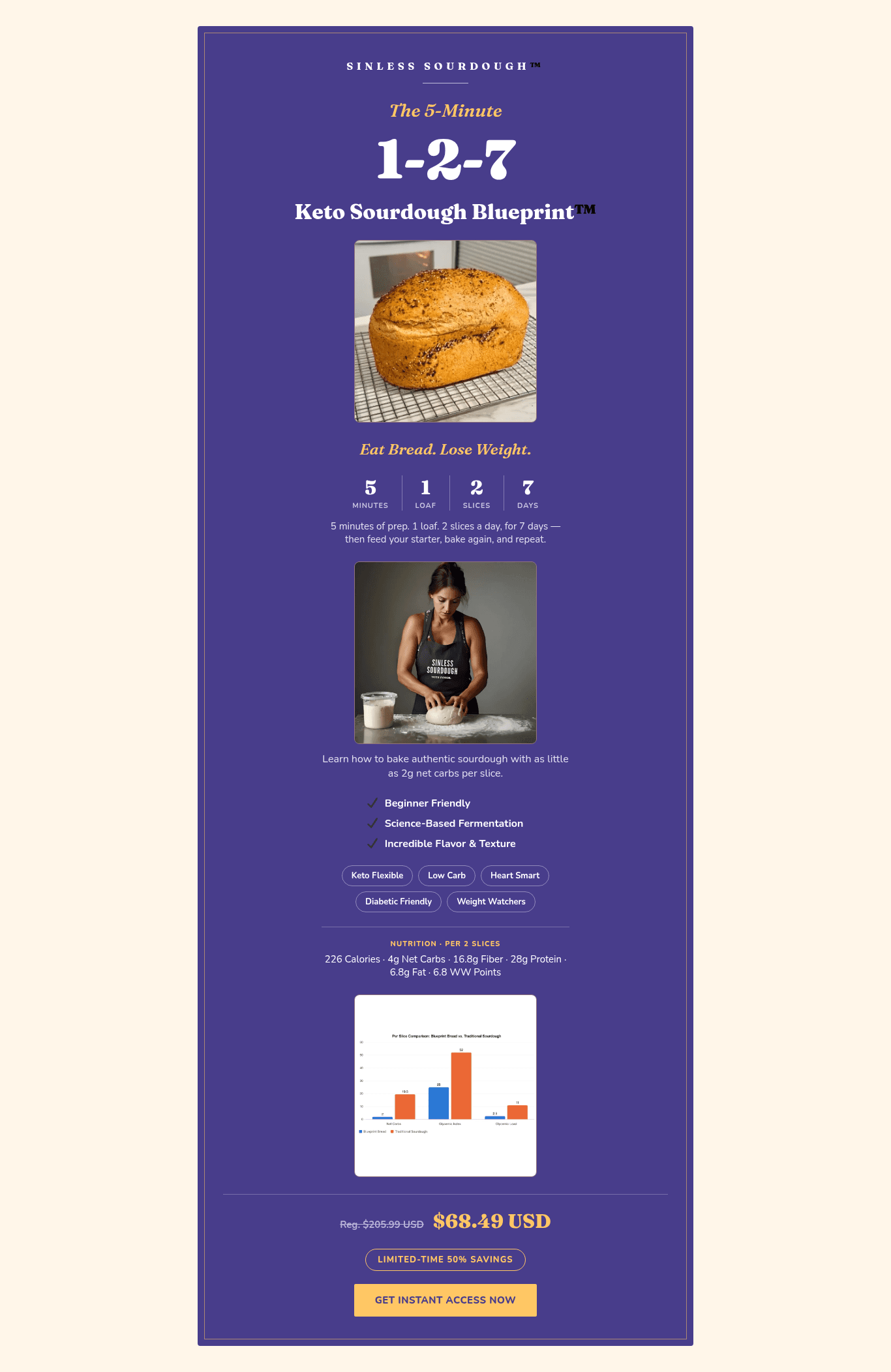
At Sinless Sourdough™, that’s the standard I built my keto dehydrated sourdough starters to meet. My starters have been scientifically third-party tested, confirming their authenticity as sourdough — alongside the two video training courses I created to teach you how to bake real, authentic keto sourdough.
What’s Next
Getting Access to the Real Benefits
I promised at the start that I’d show you how to access the potential health benefits associated with real keto sourdough. You can get my guide, Eat Bread, Lose Weight: The 13 Secrets, for FREE.
The direct link for the guide wasn’t included in the source content — send it over and I’ll drop it in here.
Next up, I’ll share what happened when I tracked my own blood sugar for seven days eating real keto sourdough — before and after, every single day.
Come back to my table, my dear friend. I’ll see you then.

Responses