
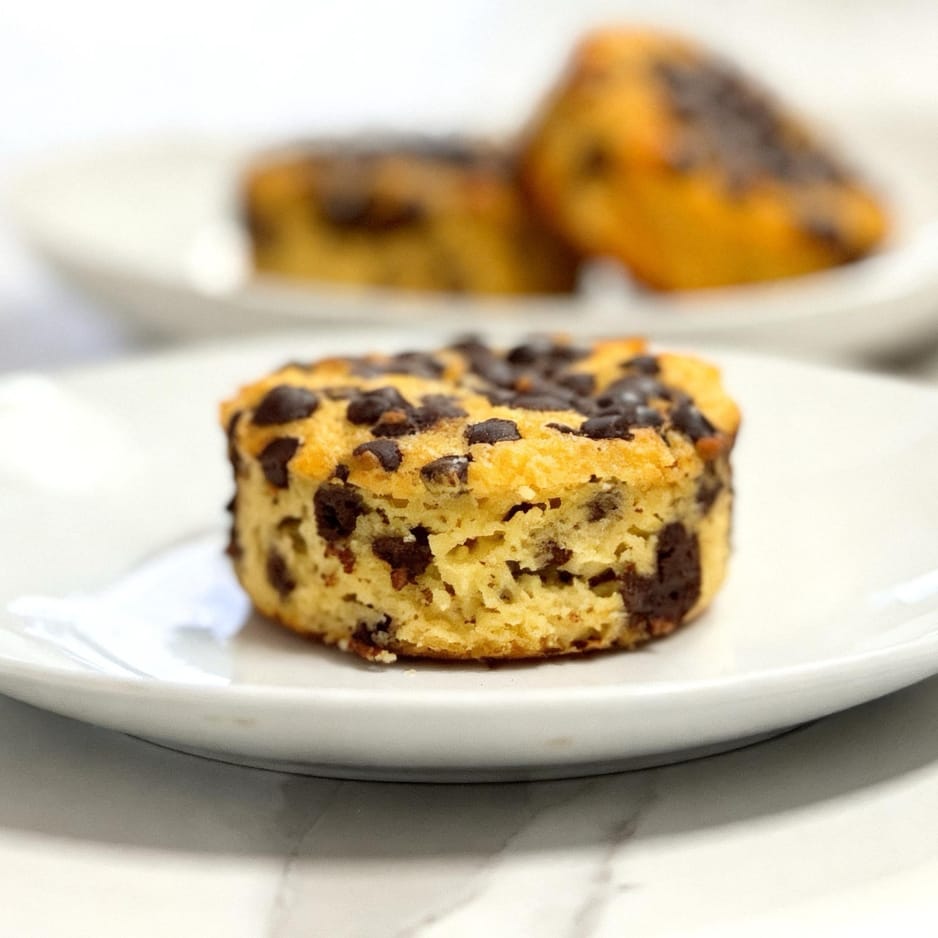
KETO CHOCOATE CHIP COTTAGE CHEESE DISCARD MUFFINS

The Keto Baking Mechanic™ — Recipes
Keto Cottage Cheese Chocolate Chip Muffins
Where We Create, Tweak and Enhance
Keto and Low Carb Breads and Baked Goods
🍪 7g Protein, 5g Net Carbs, No Cottage Cheese Taste
Keto cottage cheese muffins deliver 7g protein per serving with only 5g net carbs. These chocolate chip cottage cheese muffins use living sourdough starter and blended cottage cheese for moist, fluffy texture without any cottage cheese taste.
Keto cottage cheese changed my baking completely. I struggled with dry, crumbly flexible keto muffins until I discovered this ingredient. Cottage cheese adds incredible moisture and protein without heavy fats. The secret? Blending it completely smooth and combining it with living sourdough starter for depth and potential gut health benefits.
These muffins fit perfectly into a flexible keto lifestyle. Each muffin delivers substantial protein while keeping net carbs minimal. The cottage cheese provides casein protein for sustained energy. The almond flour adds healthy fats and fibre. The living sourdough starter contributes prebiotic compounds that may support digestive wellness.
🎥 Follow The Keto Baking Mechanic on YouTube for more flexible keto recipes: @theketobakingmechanic
sinlesssourdough.com/shop/
The Appeal
Why You’ll Love These Muffins
- 7g protein per muffin from cottage cheese and eggs
- Only 5g net carbs — fits any flexible keto meal plan
- Ready in 30 minutes, including prep and baking time
- Freezer-friendly — make ahead for busy mornings
- Living sourdough starter adds depth and potential prebiotic benefits
- No cottage cheese taste — blending creates smooth, cake-like texture
Perfect for busy professionals, meal preppers, and anyone seeking convenient flexible keto breakfast options that don’t compromise on taste or nutrition.
The Difference
What Makes These Muffins Different?
Traditional muffins rely on sugar and wheat flour. They can spike blood sugar and leave you hungry within an hour. This cottage cheese approach takes a completely different path.
Most flexible keto muffin recipes use cream cheese or Greek yogurt for moisture. Those work fine. However, cottage cheese provides more protein per calorie and creates an incredibly tender crumb when blended smooth. You won’t taste the cottage cheese at all.
The living sourdough starter sets these apart from typical flexible keto baking. While the starter adds minimal fermentation time in this quick recipe, it contributes complex flavour notes and prebiotic compounds. Traditional bakers spend hours developing sourdough. This recipe gives you those benefits in under 30 minutes.
Key Differences
- Cottage cheese blends completely smooth — no curds, no texture issues
- Almond flour creates tender crumb without grittiness when properly sifted
- Xanthan gum holds moisture and prevents crumbling
- Optional sweetener means you control sweetness level
- Chocolate chips distribute evenly with proper folding technique
The Starter’s Role
What Adding Biome Boss™ Starter Provides
Available at sinlesssourdough.com/shop/
Adding Biome Boss™ living sourdough starter contributes more than flavour alone. Even in baked goods that don’t rely on sourdough for rise, the starter plays several functional and sensory roles.
Flavour Balance
Fermentation naturally produces mild organic acids. These acids add a gentle tang that balances sweetness, especially in recipes that use chocolate or non-glycemic sweeteners. This helps prevent flavours from tasting flat or overly sweet.
Depth and Complexity
Fermented ingredients introduce layered flavours that develop during fermentation. Instead of a single dominant taste, the final baked good has more nuance and a fuller flavour profile.
Improved Texture
The hydration and fermentation by-products in a living starter can help soften crumb and improve mouthfeel. This is especially useful in flexible keto baking, where textures can otherwise be dry or dense.
Fermentation By-Products
While baking reduces live microorganisms, fermentation creates compounds that remain after baking. These by-products contribute to flavour development and may support easier digestion for some people.
Digestive Support (Indirect)
Enzymatic activity during fermentation begins breaking down certain proteins and carbohydrates. This pre-processing may make baked goods feel lighter or easier to digest compared to non-fermented versions.
Natural Freshness Support
The mild acidity from fermentation creates an environment that is less favourable to spoilage organisms. This can help baked goods stay fresh longer without added preservatives.
Practical Use of Starter
Using starter in recipes makes regular feeding part of everyday cooking. This keeps the culture healthy while reducing waste and adding value to simple recipes.
The Science
Why Does This Recipe Work?
- High Protein: 7g from cottage cheese and eggs per muffin
- Ultra Low Net Carbs: Only 5g per serving
- Simple Ingredients: Found in most grocery stores
- Meal Prep Friendly: Freezes perfectly for up to 3 months
- Living Starter Benefits: May support digestive health with prebiotic compounds
- No Special Equipment: Just a blender and muffin pan
Why It’s Valuable
Qualities of the Main Ingredients
Cottage Cheese
- High-Quality Protein: Contains casein, a slow-digesting protein that provides sustained amino acid release, which may help maintain stable energy levels throughout your morning
- Calcium and Phosphorus: These minerals support bone health and work together for optimal absorption
- Low in Lactose: The culturing process reduces lactose content, which may make cottage cheese easier to digest for those with mild lactose sensitivity
Almond Flour
- Healthy Fats: Provides monounsaturated fats that may support cardiovascular health; these fats also increase satiety and help your body absorb fat-soluble vitamins
- Vitamin E Content: This antioxidant may support skin health and help protect cells from oxidative stress — almond flour contains significantly more vitamin E than wheat flour
- Blood Sugar Stability: The combination of protein, fat, and fibre in almond flour may result in a smaller impact on blood glucose levels compared to grain-based flours
Living Sourdough Starter
- Prebiotic Compounds: Fermentation produces compounds that may feed beneficial gut bacteria; while this recipe uses starter in a quick format, these compounds remain present
- Enhanced Mineral Bioavailability: Fermentation may reduce phytic acid, potentially improving mineral absorption from other ingredients in the recipe
- Complex Flavour Profile: Living starter adds depth and subtle tang that complements chocolate without overwhelming sweetness
Why this combination works: the protein from cottage cheese and eggs combines with healthy fats from almond flour for stable energy. The living starter adds prebiotic potential while chocolate provides antioxidants and satisfaction. Together, these ingredients may help create a blood-sugar-friendly muffin that keeps you full for hours.
What You’ll Need
Ingredients
Wet Ingredients
- 1 cup (244g) 4% small-curd cottage cheese — provides protein and moisture; must be blended smooth
- 4 large eggs (about 202g without shells) — adds structure, protein, and richness
- ½ cup (120g) Biome Boss™ living sourdough starter — contributes prebiotic compounds and depth
Dry Ingredients
- 2¼ cups (198g) sifted almond flour — creates tender crumb; must be sifted to prevent clumping
- 1 tbsp (13g) aluminum-free baking powder — provides lift without metallic taste
- ½ tsp (1.5g) xanthan gum — holds moisture and prevents crumbling
- ½ cup (96g) brown sugar-style sweetener (optional) — use only if you prefer very sweet muffins
Add-ins
- ½ to 1 cup (85–170g) sugar-free chocolate chips — use ¾ in batter, ¼ for topping
Other
- Cooking oil spray or muffin liners — prevents sticking
Can You Substitute Ingredients?
- Sweetener alternatives: Yes. Monk fruit, erythritol blends, or allulose work equally well. You can also omit sweetener entirely if chocolate chips provide enough sweetness.
- Protein powder options: No. This recipe doesn’t use protein powder, relying instead on cottage cheese and eggs for protein. Adding protein powder would require adjusting liquid ratios.
- Flour alternatives: Possibly. Coconut flour absorbs much more liquid, so substitution requires recipe reformulation. Stick with almond flour for best results.
- Oil/fat substitutions: Not applicable. This recipe gets moisture from cottage cheese rather than added oils, which is why it’s lower in fat than typical flexible keto muffins.
What You’ll Need
Equipment
- Mini blender or food chopper — essential for blending cottage cheese completely smooth
- Standard 12-cup muffin pan — regular size, not mini or jumbo
- Cooking spray or muffin liners — your choice based on preference
- Large mixing bowl — must accommodate all ingredients with room for mixing
- Hand mixer — ensures wet ingredients combine smoothly
- Fine-mesh sieve — critical for sifting almond flour and preventing lumps
- Measuring cups and spoons — accurate measurements matter in flexible keto baking
- Mixing spoon or spatula — for folding in chocolate chips
- ¼ cup measuring scoop — ensures even muffin sizes
- Cooling rack — prevents soggy bottoms while muffins cool
- Toothpick — for testing doneness
Let’s Bake
How Do You Make Perfect Keto Cottage Cheese Muffins?
Phase 1: Preparation and Blending
- Preheat your oven to 350°F (175°C) and prepare your muffin pan with spray or liners
- Add cottage cheese to your mini blender and blend for 30–45 seconds until completely smooth with no visible curds
- Transfer blended cottage cheese to your large mixing bowl
Pro tip: Check the cottage cheese carefully after blending. Any remaining lumps will create texture issues in your finished muffins.
Phase 2: Combining Wet Ingredients
- Add eggs and living sourdough starter to the blended cottage cheese
- Mix with hand mixer on medium speed for 45–60 seconds until fully combined and slightly frothy
- The mixture should look uniform with no streaks of cottage cheese or starter visible
Common mistake: Don’t skip the hand mixer. Whisking by hand won’t incorporate enough air, resulting in denser muffins.
Phase 3: Adding Dry Ingredients
- Place your fine-mesh sieve over the bowl of wet ingredients
- Add almond flour, baking powder, xanthan gum, and optional sweetener to the sieve
- Sift directly over the wet ingredients, tapping the sieve to help everything pass through
- Mix gently with a spatula just until no dry pockets remain
This is the game-changer: sifting prevents almond flour clumps that create gritty texture. Never skip this step.
Phase 4: Final Steps and Baking
- Fold ¾ of the chocolate chips into the batter using a gentle folding motion
- Let batter rest for 5 minutes to allow full hydration of almond flour and xanthan gum
- Scoop about ¼ cup batter into each prepared muffin cavity
- Sprinkle remaining chocolate chips evenly over tops
- Bake for 18–22 minutes until deep golden brown and a toothpick comes out clean
- Cool in pan for 5–10 minutes, then transfer to a cooling rack
Pay close attention to this next part: the rest period is not optional. Xanthan gum needs time to fully hydrate and create the proper texture. Skipping this step results in gummy muffins.
Troubleshooting
Common Mistakes
Problem: Muffins taste like cottage cheese
Solution: Blend cottage cheese for a full 45 seconds until completely smooth. Check for any remaining curds before proceeding.
Why it happens: Insufficient blending leaves curds that remain distinct in the finished muffin.
Problem: Dense, heavy texture
Solution: Don’t overmix after adding dry ingredients. Mix just until combined. Let batter rest a full 5 minutes.
Why it happens: Overmixing develops too much structure in almond flour. Skipping rest time prevents proper hydration.
Problem: Muffins stick to pan
Solution: Generously spray pan or use quality liners. Don’t skip the 5–10 minute cooling period in the pan.
Why it happens: Cottage cheese creates moisture that needs time to set before removing muffins.
Problem: Dry, crumbly muffins
Solution: Measure almond flour by weight (198g) rather than volume. Don’t overbake past 22 minutes.
Why it happens: Too much almond flour or excessive baking time removes moisture.
Problem: Chocolate chips sink to bottom
Solution: Fold chips in gently at the end. Don’t overmix after adding chips.
Why it happens: Overmixing thins the batter, allowing heavy chips to sink during baking.
Problem: Uneven baking
Solution: Fill all 12 cavities evenly using a ¼ cup scoop. Rotate pan halfway through baking.
Why it happens: Uneven distribution or hot spots in your oven create inconsistent results.
Make It Your Own
Variations
Blueberry Lemon Cottage Cheese Muffins
Replace chocolate chips with ¾ cup fresh or frozen blueberries. Add 1 tbsp lemon zest to wet ingredients. Bright, fresh flavour perfect for spring mornings — pair with hot tea or black coffee.
Cinnamon Roll Cottage Cheese Muffins
Add 2 tsp ground cinnamon to dry ingredients. Swirl 2 tbsp melted butter mixed with 1 tsp cinnamon into batter before baking. Top with cream cheese frosting (optional) — pair with morning coffee for an indulgent treat.
Double Chocolate Cottage Cheese Muffins
Add 3 tbsp unsweetened cocoa powder to dry ingredients. Keep chocolate chips as written. Increase sweetener to ¾ cup if desired — pair with cold almond milk for dessert-like satisfaction.
Peanut Butter Cottage Cheese Muffins
Add 3 tbsp natural peanut butter to wet ingredients. Reduce cottage cheese to ¾ cup. Keep chocolate chips as written — pair with protein shake for post-workout recovery.
Vanilla Almond Cottage Cheese Muffins
Replace chocolate chips with ½ cup sliced almonds. Add 2 tsp vanilla extract and ½ tsp almond extract to wet ingredients. Top with additional sliced almonds before baking — pair with herbal tea for elegant breakfast.
Pumpkin Spice Cottage Cheese Muffins
Add ½ cup pumpkin puree to wet ingredients. Add 2 tsp pumpkin pie spice to dry ingredients. Replace chocolate chips with sugar-free white chocolate chips or pecans — pair with chai tea or coffee for autumn-inspired breakfast.
By the Numbers
Nutrition Facts
⚠️ These nutritional values are approximate estimates. Exact values will depend on the brands of ingredients you use — the same brand may even have different nutritional values between Canada and the USA. Use this as a guide and calculate your own values for accuracy.
Per Muffin (recipe makes 12)
Calories: 145 kcal • Total Carbs: 8g • Fibre: 3g • Net Carbs: 5g • Protein: 7g • Fat: 10g • Sugar: 1g • Cholesterol: 62mg • Sodium: 180mg
Note: Values may vary depending on chocolate chip brand and whether you include optional sweetener.
Why These Macros Fit a Flexible Keto Lifestyle
- High protein content supports muscle maintenance and satiety
- Low net carbs keep you in your daily carb range easily
- Healthy fats from almond flour provide sustained energy
- Minimal sugar comes only from small amounts in chocolate chips
- Traditional chocolate chip muffins contain 35–45g net carbs and 25g+ sugar per serving
Serving Ideas
How Should You Serve These Muffins?
Classic Breakfast Pairings
- With scrambled eggs and bacon for a complete protein breakfast
- Alongside Greek yogurt and fresh berries
- With hot coffee or tea for grab-and-go mornings
Hearty Brunch Options
- Warmed and topped with sugar-free maple syrup and butter
- Served with breakfast sausage and avocado slices
- As part of a weekend brunch board with cheese and cold cuts
Elegant Special Occasion
- Warmed slightly and topped with whipped cream
- Served on dessert plates with fresh strawberries
- Alongside coffee service for a sophisticated breakfast
Lunch & Dinner Ideas
- Crumbled over Greek yogurt for a protein-packed parfait
- As a side to soup or salad for added protein
- Toasted and buttered for a dinner bread replacement
- Packed in a lunchbox with a cheese stick and vegetables
Keeping It Fresh
How Do You Store These Muffins?
Room Temperature Storage
Store in an airtight container for up to 3 days on the counter. Place parchment paper between layers to prevent sticking.
Refrigerator Storage
Keep in a sealed container for up to 7 days refrigerated. Warm for 10–15 seconds in the microwave before serving for best texture.
Freezer Storage
Wrap individual muffins in plastic wrap, then place in a freezer bag for up to 3 months. Thaw overnight in the refrigerator or microwave from frozen for 30–45 seconds.
Batch Prep Tip: Bake a double batch and freeze half immediately for ready-made breakfasts throughout the month.
Setting Expectations
Why Is Your First Bake a Practice Bake?
Your first batch helps you understand how your specific oven and ingredients perform together. Ovens vary significantly in actual temperature versus display temperature, especially as they age. Older ovens may run 25°F hotter or cooler than indicated.
Ingredient brands matter more than you might think. Different almond flour brands have varying fineness and moisture content. Chocolate chip brands contain different amounts of stabilizers affecting melting. Your cottage cheese brand’s moisture level impacts final texture significantly.
Personal palate preferences vary dramatically based on taster type. Non-tasters may want to increase sweetener significantly. Medium tasters (most people) find the recipe balanced as written. Super-tasters experience intense flavours and might prefer reducing or omitting sweetener entirely.
Don’t feel discouraged if your first batch isn’t perfect. Take notes on timing, texture, and sweetness. Adjust for your second batch. This experimentation process helps you master the recipe completely.
Keto Chocolate Chip Cottage Cheese Sourdough Muffins

Keto cottage cheese sourdough muffins deliver 7g protein per serving with only 5g net carbs. These chocolate chip cottage cheese muffins use living sourdough starter and blended cottage cheese for moist, fluffy texture without any cottage cheese taste.
- Prep Time: 10
- Cook Time: 30
- Total Time: 40
- Yield: 12
- Category: Keto Cottage Cheese
- Method: Baking
- Cuisine: Keto Low Carb
- Diet: Diabetic
Ingredients
Wet Ingredients
- 1 cup (244 g) 4% small-curd cottage cheese
- 4 large eggs (about 202 g without shells)
- ½ cup (120 g) Biome Boss™ living sourdough starter
Dry Ingredients
- 2¼ cups (198 g) sifted almond flour
- 1 tbsp (13 g) aluminum-free baking powder
- ½ tsp (1.5 g) xanthan gum
- ½ cup (96 g) brown sugar-style sweetener (optional) (Use only if you like your muffins very sweet)
Add-ins
- ½ to 1 cup (85–170 g) sugar-free / no-sugar-added chocolate chips
- Fold ¾ of the chips into the batter
- Reserve ¼ of the chips for topping
Other
- Cooking oil spray or muffin liners
Instructions
- Prepare the pan Grease 12 cavities of a standard muffin pan with cooking spray or line with liners.
- Blend the cottage cheese Add the 4% cottage cheese to a mini blender or chopper. Blend until completely smooth.
- Mix wet ingredients Transfer blended cottage cheese to a large mixing bowl. Add the eggs and Biome Boss™ living starter. Mix with a hand mixer until smooth and fully combined.
- Sift in dry ingredients Place a fine-mesh sieve over the bowl of wet ingredients. Add the almond flour, baking powder, xanthan gum, and optional brown sugar sweetener to the sieve and sift directly over the bowl.
- Combine Mix gently just until incorporated. Do not overmix.
- Add chocolate chips Fold ¾ of the chocolate chips into the batter.
- Rest the batter Let batter rest 5 minutes to allow the almond flour, xanthan gum, and starter to fully hydrate.
- Fill muffin pan Scoop about ¼ cup batter per muffin into prepared pan. Sprinkle remaining chocolate chips evenly over the tops.
- Bake Bake for 20 to 30 minutes, until muffins are deep golden brown and a toothpick inserted comes out clean.
- Cool Cool in pan for 5–10 minutes, then transfer to a rack.
Notes
Nutritional Values (Approximate, Per Muffin)
These nutritional values are provided as guidance only. Please calculate your own values based on the specific brands and products you use, as nutritional information can vary significantly between brands and even between countries selling the same brands.
The nutritional values below are estimates, based on provided ingredient data and divided by 12 muffins. Exact values will depend on the brands of ingredients you use. In fact, the same brand of ingredient may have different nutritional values between Canada and the USA. Use this as a guide and calculate your own values for accuracy.
Per Muffin (recipe makes 12):
- Calories: 145 kcal
- Total Carbs: 8g
- Fibre: 3g
- Net Carbs: 5g
- Protein: 7g
- Fat: 10g
- Sugar: 1g
- Cholesterol: 62mg
- Sodium: 180mg
Note: Values may vary depending on chocolate chip brand and whether you include optional sweetener.


Responses